

AI Outbound Call Agent: How to Qualify Leads and Book Appointments Without a Sales Team?
Weak reps do not cause most outbound sales problems. They stem from slow follow-up, inconsistent qualification, and too much manual work between initial interest and a booked meeting. By the time a sales team gets to the lead, the moment is often gone.
Outbound is not broken because buyers dislike calls. It breaks when teams move too slowly, qualify inconsistently, and fail to follow up. Manual dialing limits scale, rep-led qualification creates gaps, and adding more SDRs often increases cost without fixing execution.
Outbound still works when the outreach is timely, relevant, and tied to a real customer need. That is why an AI outbound call agent matters: it brings speed, consistency, and structure to a process that often relies too heavily on human bandwidth.
Instead of relying on SDR capacity to call, qualify, and schedule one lead at a time, businesses can automate first-touch conversations, capture intent in real time, and book meetings instantly.
This blog explains how AI outbound calling reduces sales pressure, where it fits in the funnel, what to look for in a platform, and why AssistifAI is built to drive outcomes, not just conversations.
What is an AI outbound call agent, and how does it actually work?
When you call an AI outbound call agent, they usually answer in 300 to 800 milliseconds. These quick responses make customers happier, reduce wait times and latency, and let managers handle many calls without human agents.
They can have conversations that sound like real people, get important information, and even automatically update CRM systems. This helps businesses save time and better connect with customers.
How does an AI voice call agent qualify leads better than humans?
- AI assistants never miss a call. They can greet customers, answer simple questions, and even take notes or orders. For example, an AI voice call agent at a salon or dental clinic can automatically confirm appointments or reschedule visits. They ask consistent qualification questions every time they call.
- Many AI assistants now support multiple languages and accents, making them useful for local or regional businesses in countries where customers speak a mix of languages. So that the AI agent can easily capture signals of intent, urgency, and readiness.
- An AI call agent can make independent decisions to automate tasks and streamline workflows, especially in customer service. These decisions are based on their programming, data analysis, and the context of the conversation.
How does an AI appointment booking bot turn conversations into meetings?
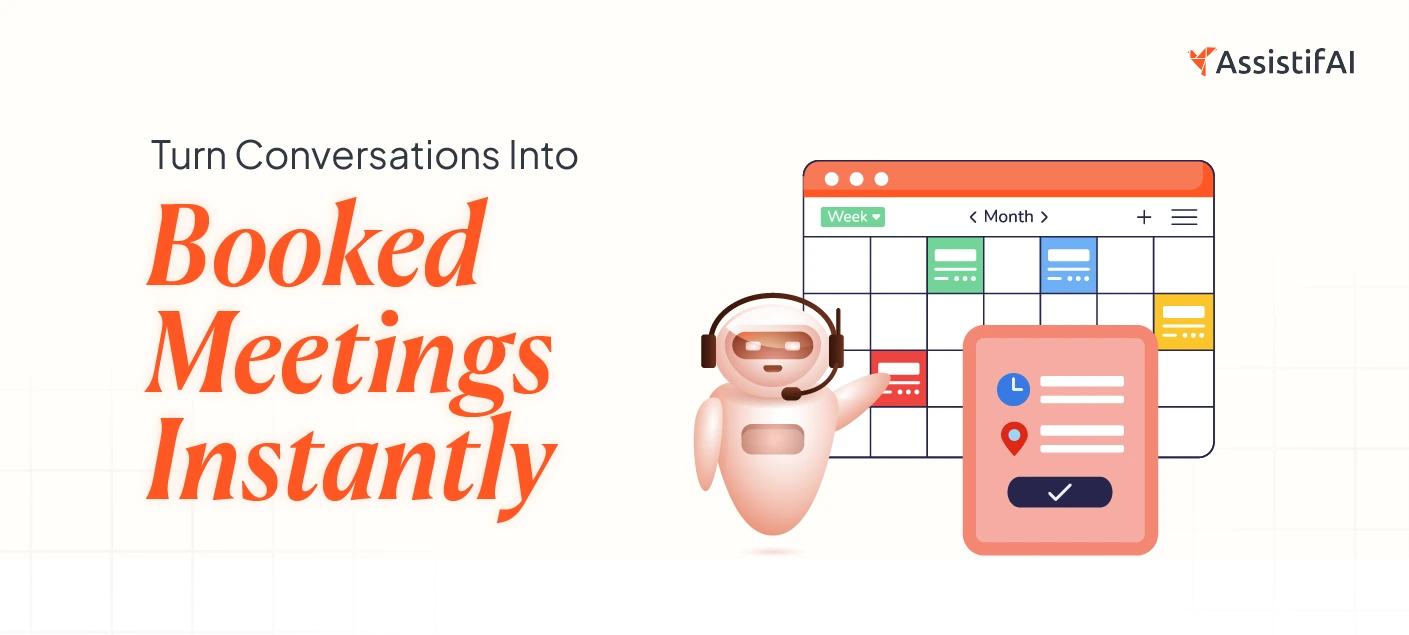
Before the advent of the AI outbound call agent, scheduling appointments was a huge time drain: missed calls, back-and-forth emails, and double bookings were constant headaches.
Now, the AI appointment-booking bot handles 24/7 bookings, offers available slots during the calls, sends confirmations and reminders, and even integrates with calendars to avoid conflicts. It has saved a lot of time and reduced stress.
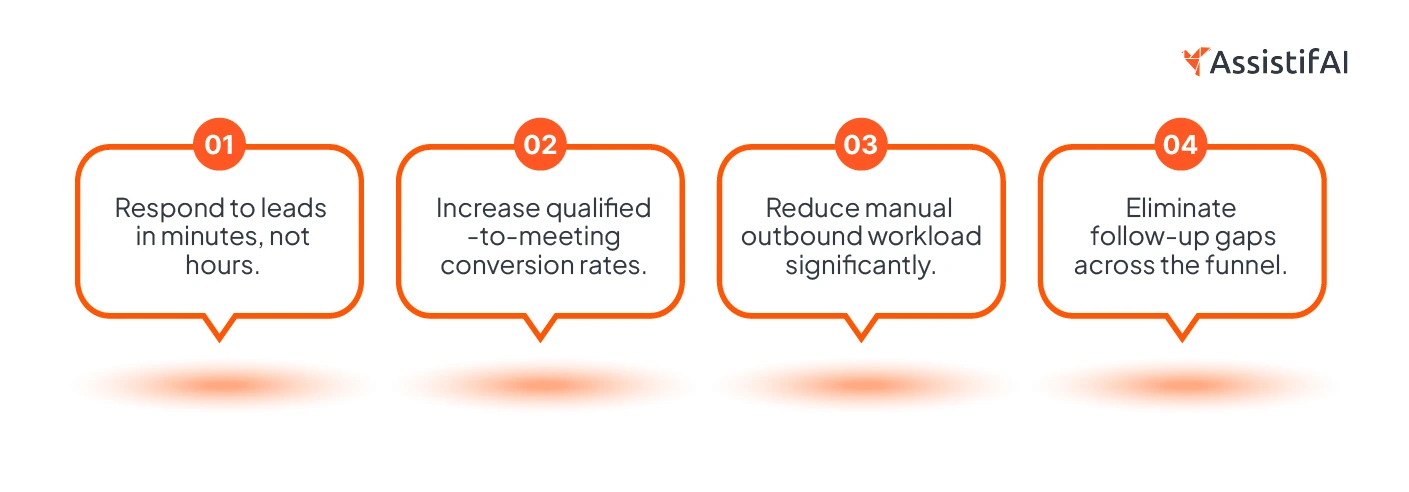
Expect These Business Results from the Best AI Phone Call Agent
Where do AI outbound call agents fit in your sales?
Outbound is not just about top-of-funnel activity. In reality, this is the stage where deals are lost before they even start. An AI outbound call agent works across multiple stages—not just cold calls.
Cold outreach and first-touch engagement
Outbound fails at the first step: timing. Leads go cold before anyone reaches out.
An AI outbound call agent fixes that by calling instantly, at scale. No waiting. No backlog. Every lead gets a first touch within minutes, not days. That alone changes conversion rates.
Lead qualification after inbound capture
Your inbound funnel brings volume. But volume without qualification is noise.
Instead of letting SDRs manually filter leads, the AI agent qualifies them in real time. It asks structured questions, captures intent, and identifies whether the lead is worth pursuing—before your sales team gets involved.
Re-engaging cold or inactive leads
Most pipelines are full of dead leads that were never properly followed up on. AI agents can systematically re-engage them.
Not with generic emails, but with contextual conversations that pick up where things left off. This turns “lost” leads into second chances.
Event and campaign follow-ups
Events, webinars, and campaigns generate spikes of interest. Then… a long silence.
An AI outbound call agent closes that gap. It follows up instantly after the event, qualifies interest, and books meetings while the intent is still fresh.
What should you look for before choosing an AI outbound call agent?
Not all tools solve the same problem. Some just sound smart. Few actually move deals forward.
Here’s how to separate the noise from what actually works.
Does it qualify leads or just talk?
Many tools can hold a conversation. That’s not enough.
You are looking for a system that qualifies leads against real criteria—budget, intent, urgency—not just an answer machine. If it cannot filter who is worth your team’s time, it adds more noise than value.
Can it take real actions (book, update CRM)?
If the tool fails at conversation, your team still does the work.
The right AI outbound call agent should:
- Book meetings during the call
- Update CRM fields automatically, and
- Route leads to the right owner
Anything less is just another layer, not a solution.
How fast can you deploy?
If setup takes weeks, you’ve already fallen back in lead qualification.
Modern AI systems should go live in days. You define workflows, connect systems, and start calling. Speed is part of the value.
Does it integrate with your existing stack?
Your sales process already runs on tools like CRM, calendars, and communication platforms.
If the AI cannot connect to them, it creates silos. That kills efficiency.
Can non-technical teams manage it?
If every change requires engineering, you’re back to square one.
Sales and operations teams should be able to adjust scripts, flows, and logic without writing code—otherwise, adoption stalls.
Meet AssistifAI: The AI Outbound Call Agent SMBs Are Raving About!
The market is growing fast. But most tools solve only parts of the problem.
Most tools only handle conversations, not outcomes
Many platforms focus on sounding human.
They answer questions. They simulate conversations. But they stop there.
They don’t qualify properly. They don’t book meetings. They don’t move deals forward. That gap matters.
Fragmentation across dialing, CRM, and scheduling
In many setups, you still need:
- A dialing tool
- A CRM system
- A scheduling tool
Each handles a piece of the workflow. No one owns the outcome.
This fragmentation creates delays, missed follow-ups, and data gaps.
How does AssistifAI close the gap?
Instead of adding another tool, it connects the entire outbound flow:
- Calls → Qualification → Booking → CRM updates
The focus shifts from “having conversations” to driving measurable outcomes.
Why is AssistifAI built for real outbound outcomes, not just conversations?
Most platforms optimize for interaction quality. AssistifAI optimizes for business results.
Moves every interaction forward
Every call has a purpose: qualify, route, or book.
No dead-end conversations. No vague promises like “we’ll follow up later.” Each interaction pushes the lead closer to a decision.
Qualifies, scores, and routes leads instantly
The system evaluates responses in real time.
It scores leads based on predefined criteria and automatically routes them to the right team. High-intent leads don’t waste time sitting in queues—they move immediately.
Books meetings inside the same call
There’s no gap between interest and action.
When a lead is ready, the AI voice call agent books the meeting on the spot.
No back-and-forth emails. No delays. Satisfaction.
Tracks outcomes across the full pipeline
Most tools stop at activity metrics.
AssistifAI tracks what actually matters:
- Qualified leads
- Meetings booked
- Conversion progression
That visibility is what lets teams optimize.
Deploys fast without engineering dependency
You don’t need a complex setup.
Workflows can be configured quickly, and teams can manage them without relying on developers. That keeps execution fast and flexible.
How do you get started with an AI outbound call agent in days, not months?
The biggest misconception is that this requires a long implementation cycle. It doesn’t.
Define qualification criteria
Start with clarity.
What makes a lead qualified? Define the parameters—industry, budget, need, urgency. This becomes the foundation for every conversation.
Connect CRM and Calendar
Plug the AI into your existing systems.
This ensures:
- Lead data flows correctly
- Meetings are booked instantly
- Updates happen automatically
Launch initial call workflows
You don’t need perfection to start.
Build simple call flows:
- Intro
- Qualification questions
- Booking logic
Launch quickly, then refine.
Monitor, optimize, scale
Once live, patterns become clear.
You’ll see:
- Where leads drop off
- Which questions work
- What drives bookings
From there, you optimize and scale outbound without increasing headcount.
Final Takeaway
Outbound sales don’t fail because teams aren’t trying hard enough. It fails because the system cannot keep up—slow follow-ups, inconsistent qualification, and too many manual steps between interest and action.
An AI outbound call agent removes that friction. It responds instantly, qualifies every lead with consistency, and books meetings without delay. That means fewer missed opportunities, lower dependence on SDR scaling, and a pipeline that moves faster without adding headcount.
Most tools still stop at conversations. The real shift is moving toward systems that own outcomes.
That’s where AssistifAI fits. Not as another calling tool—but as the layer that connects outreach, qualification, and booking into one continuous flow.
AssistifAI is one of the top AI outbound call agent service providers for your business. It will solve repetitive customer queries, slow response times, and missed leads outside business hours.

FAQs
What is an AI outbound call agent?
An AI outbound call agent is a system that makes automated calls, qualifies leads through conversation, and takes actions like booking meetings or updating CRM data.
How does an AI voice call agent qualify leads?
It asks predefined questions, analyzes responses in real time, and scores leads based on criteria like intent, budget, and urgency.
Can an AI appointment booking bot schedule meetings automatically?
Yes, it integrates with calendars, offers available call slots, and confirms bookings instantly without human involvement.
What is the best AI phone call agent for outbound sales?
The best tools go beyond conversation to handle qualification, booking, CRM updates, and follow-ups in a single system.
Are AI outbound call agents better than SDR teams?
They are not replacements but multipliers—handling repetitive tasks so human teams focus on closing high-quality leads.
How fast can you deploy an AI outbound call agent?
Most modern platforms can be deployed in days if integrations and workflows are clearly defined.
Do AI call agents integrate with CRM systems?
Yes, leading solutions integrate with CRM systems, calendars, and communication tools to ensure data consistency and automate workflows.
Read More Blogs

Your next hire isn't human.


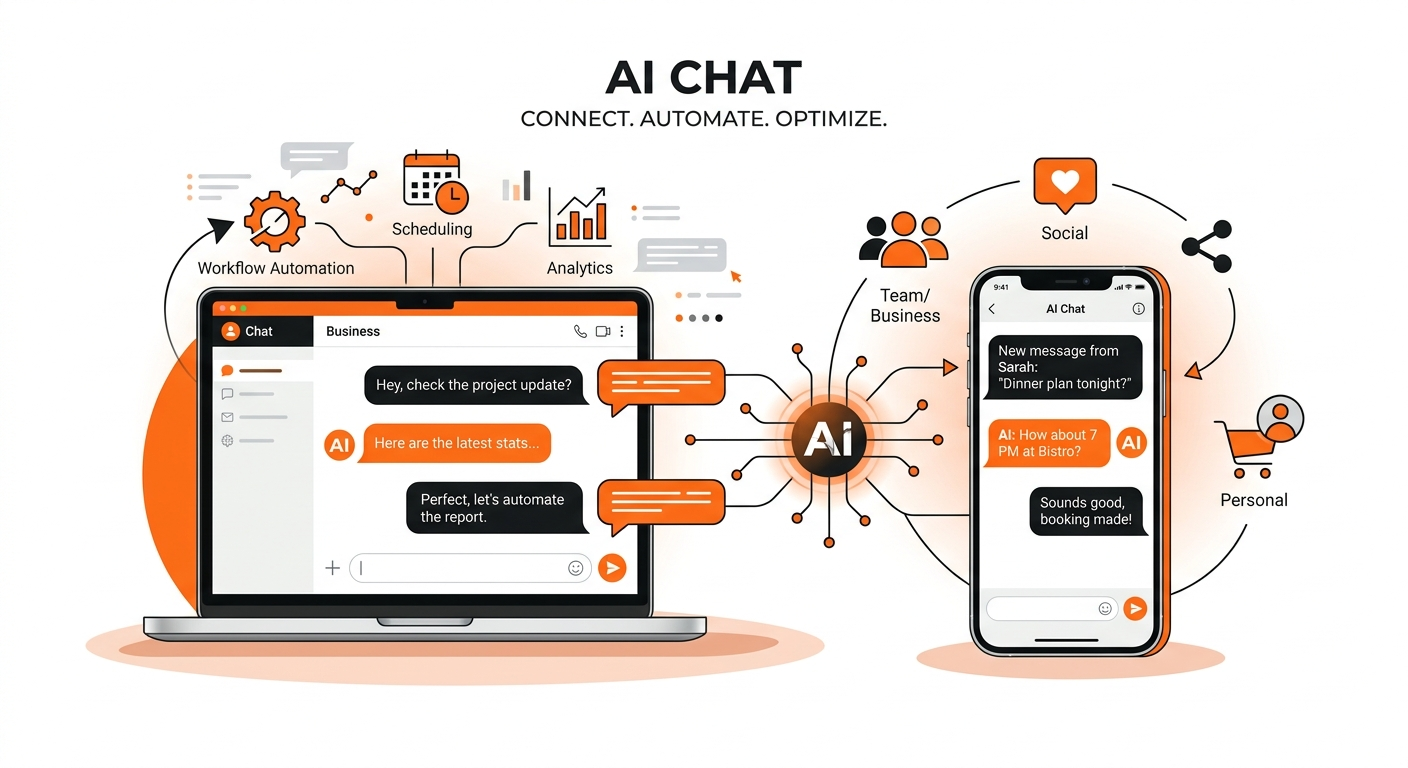
AssistifAI automates your workflows and delivers exceptional voice and chat-based customer support helping your business grow faster, save time, impress clients, and stay ahead of the competition.