

Insurance
Overview
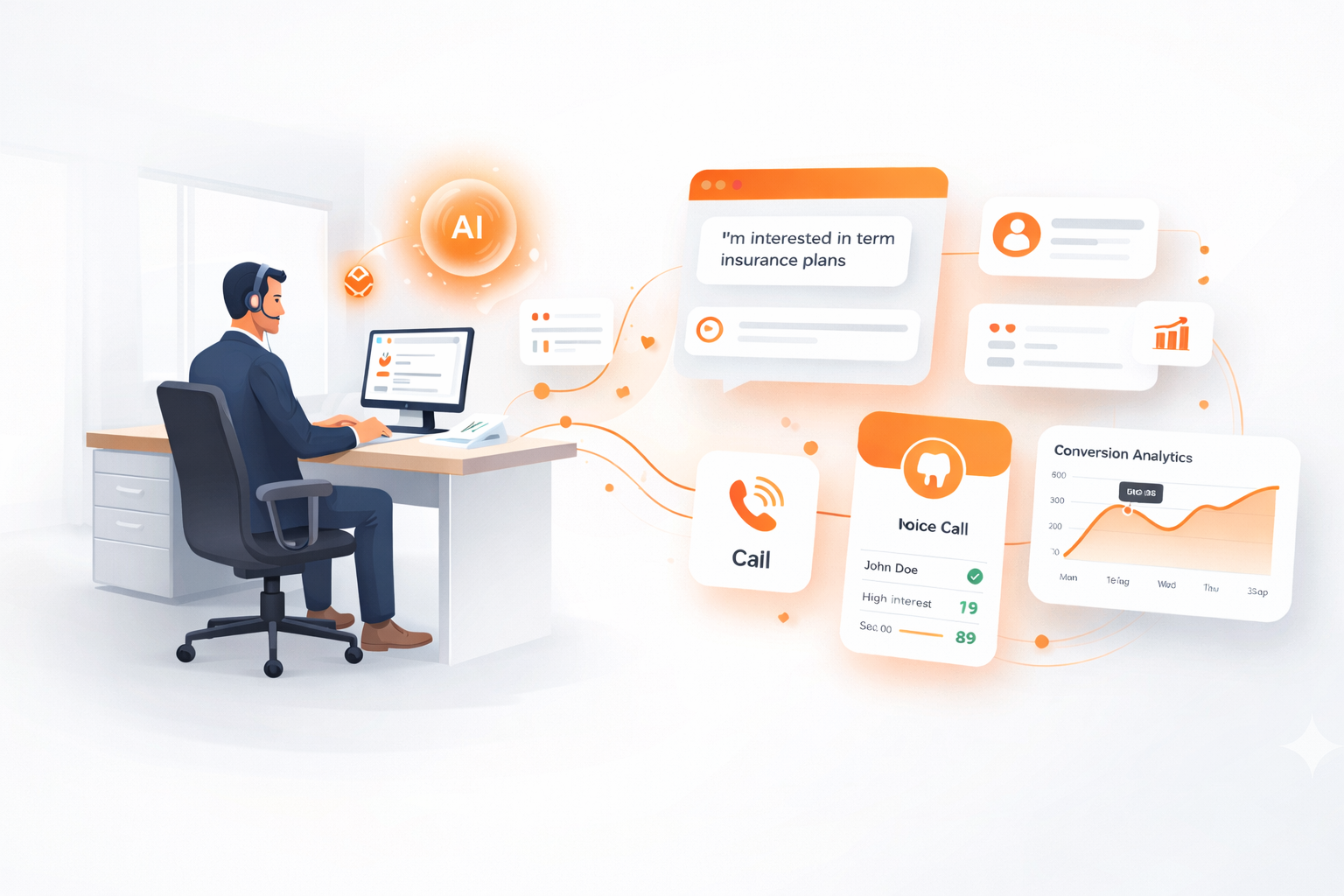
An insurance company was consistently generating leads through digital channels but struggled to convert them efficiently. Delayed responses and inconsistent follow-ups were costing them high-intent prospects every single day. By implementing AssistifAI’s automation system, the company transformed its lead handling process and significantly improved conversion speed and consistency without increasing headcount.
The Problem
The company’s lead generation efforts were strong, but execution was weak. Incoming leads were not being contacted immediately, and response delays often stretched into hours. By the time a sales representative reached out, many prospects had already lost interest or moved to competitors. Follow-ups depended heavily on manual processes, making them inconsistent and easy to miss. High-intent leads were slipping through the cracks simply because there was no system to engage them at the right moment. This resulted in wasted marketing spend, lower conversion rates, and an underperforming sales pipeline.
The Solution
To eliminate these gaps, the company implemented AssistifAI’s AI Chat Assistant, AI Voice Agent, and automated action workflows. Website visitors were engaged instantly through real-time conversations, ensuring no lead left without interaction. Every inquiry was captured, qualified, and organized automatically. The AI voice agent initiated follow-up calls within minutes of a lead coming in, ensuring immediate engagement while intent was still high. At the same time, the system structured and routed high-quality leads directly to the sales team, allowing them to focus only on prospects ready to convert.
The Impact
The shift from manual to automated engagement changed how the company operated. Response times dropped from hours to seconds, eliminating the delay that previously cost them conversions. Every lead was now contacted instantly regardless of time or team availability. Follow-ups became consistent and systematic instead of dependent on individual effort. The sales team no longer chased cold or unresponsive prospects and instead worked with pre-qualified, high-intent leads. This improved both efficiency and the quality of conversations.
Results
Within a short period of implementation, the company achieved 2x faster lead response time and a 30 to 50 percent increase in conversion rates. Follow-ups became consistent across all incoming leads, and no opportunity was left unattended due to delays or manual gaps.
Conclusion
By replacing slow, manual processes with an AI-driven system, the company turned its lead flow into a high-conversion pipeline. What was once a reactive sales approach became an always-available system that engaged, qualified, and converted leads automatically, unlocking growth without increasing operational complexity.

Impact Stories

Your next hire isn't human.


AssistifAI automates your workflows and delivers exceptional voice and chat-based customer support helping your business grow faster, save time, impress clients, and stay ahead of the competition.